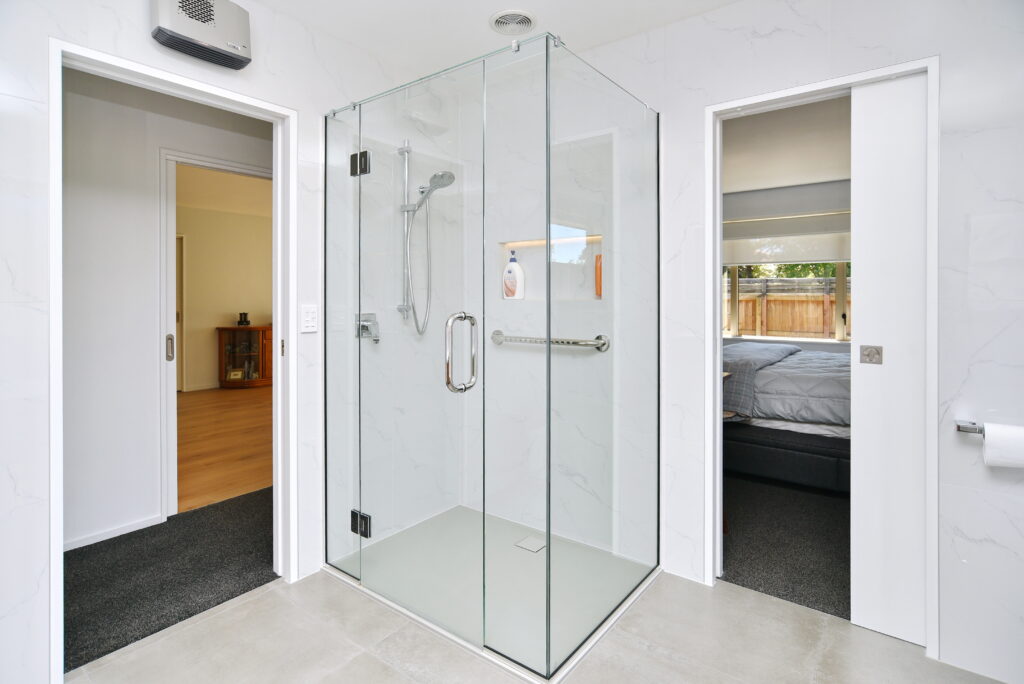
Rather than rushing into a smaller property, many empty nesters are choosing instead to “age-in-place” and future-proof their homes for the next chapter of life.
This blog explores why staying put can be a great option, what empty nesters typically look for in a home, and how to make smart, retirement‑ready improvements that will keep your home safe, comfortable and enjoyable for years to come.
We’ll draw on research and practical advice from government agencies, Age Concern and renovation experts to help you stay and continue to enjoy your home.
Why stay in the home you love ?
Many older adults choose to remain in their long term homes because familiar surroundings, social networks and community support contribute to better physical and mental wellbeing.
Age Concern New Zealand notes that staying in your home allows you to maintain established friendships and recreational activities, which can make adapting to changes in older age easier.
For empty nesters who are still active, leaving an established neighbourhood might feel like more of a loss than a gain.
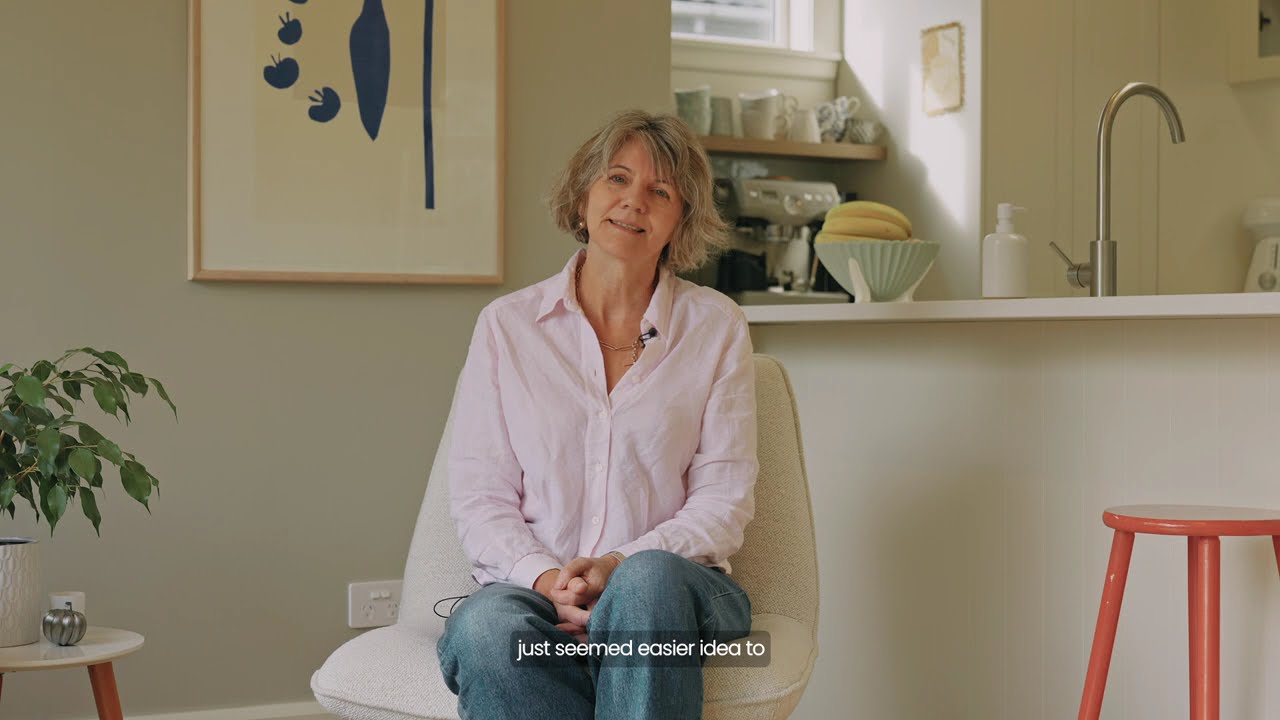

Read more about Trudy’s story here …
The downsizing myth
A common assumption is that empty nesters need less space and should downsize to a smaller property once the kids leave.
However, many modern 50‑ and 60‑somethings are healthier and more active than previous generations – they’re pursuing hobbies, launching second careers and welcoming extended visits from adult children and grandchildren.
Empty nesters often need space for home offices, exercise areas, craft rooms and guest accommodation.
Downsizing may ignore these lifestyle goals and can be expensive when you factor in real‑estate commissions, moving costs and the premium for a smaller, move‑in ready house.
Instead of seeing extra space as a burden, think of it as an opportunity to create the lifestyle you’ve always wanted.
Reconfiguring existing rooms, creating zones for different activities and focusing on low‑maintenance materials can make a larger home easier to manage than an older, smaller property.

Read more about Maggie’s experience here …
What empty nesters want in their home
Empty Nesters – typically couples or individuals whose children have moved out, often reach a point where their priorities shift from raising a family to enjoying comfort, simplicity and lifestyle in their home.
Here’s what many ‘Empty Nesters’ typically look for in their home to prepare for the years to come:
Low Maintenance Living
- Easy to maintain property
- Modern fittings and fixtures for their comfort, including replacing higher budget items like appliances (ovens, dishwashers, laundry machines etc) and heating to ensure they will last well into the future
- Ensuring plumbing and wiring are up to date to avoid the need for repairs
Future Proofing for Reduced Mobility
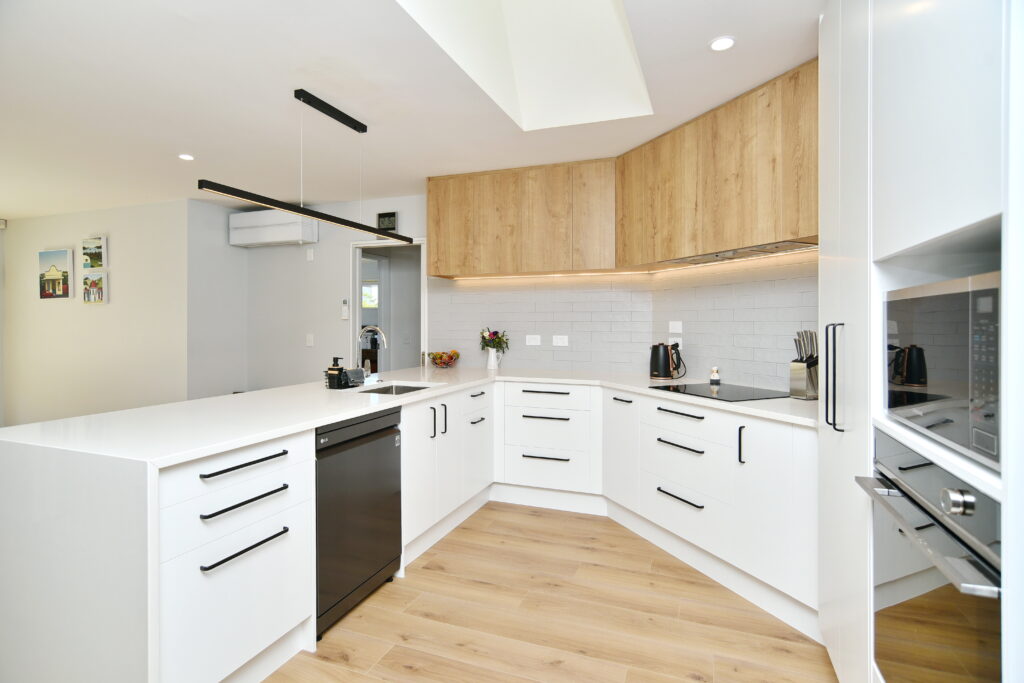
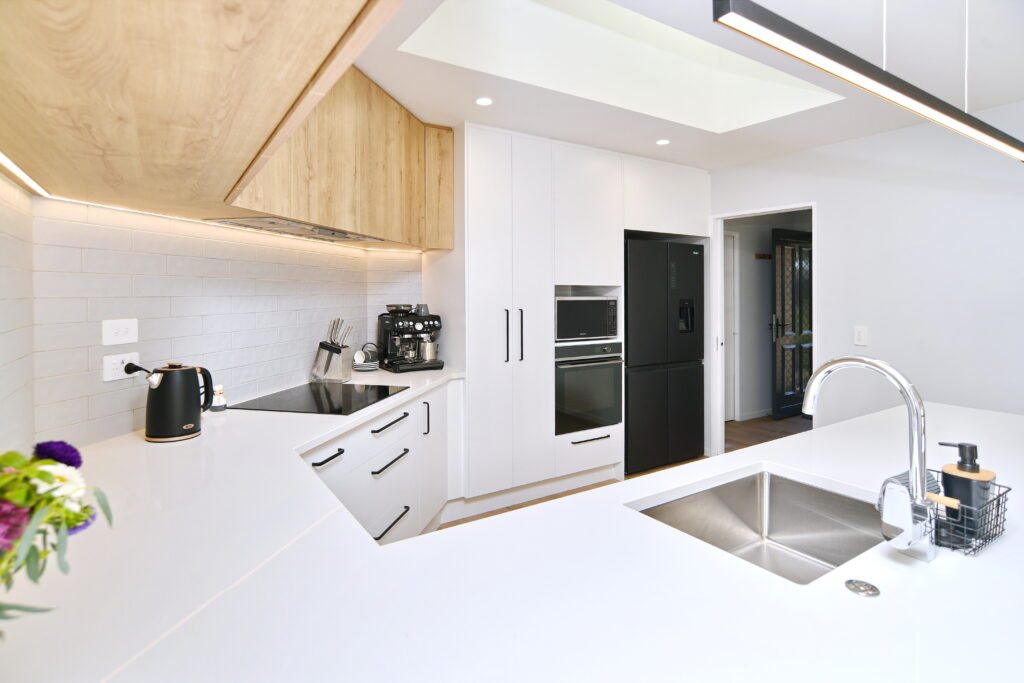
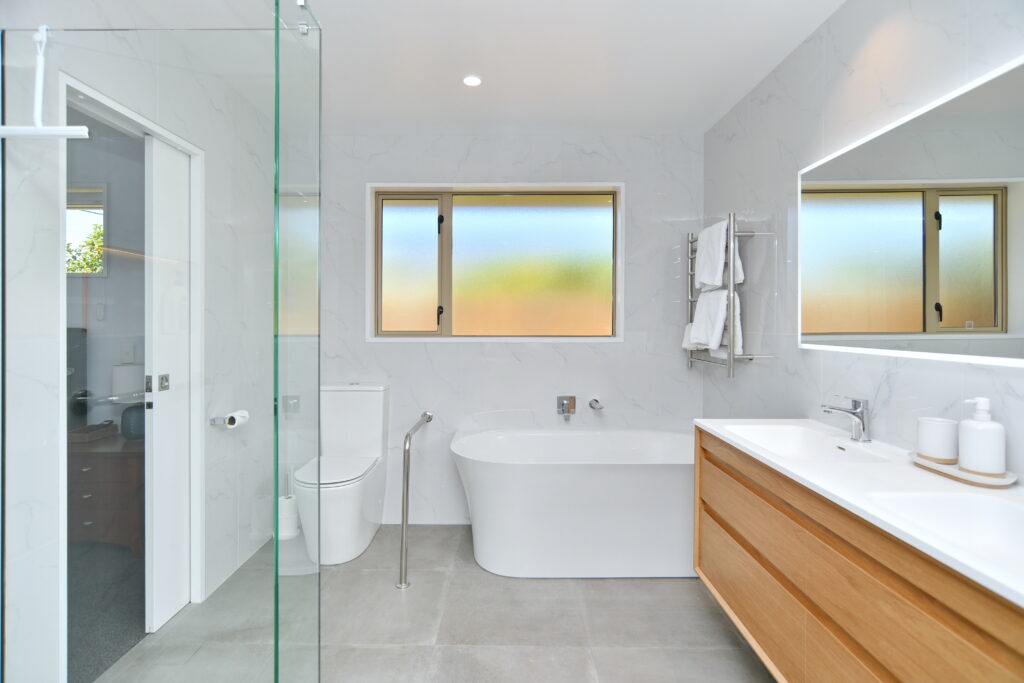
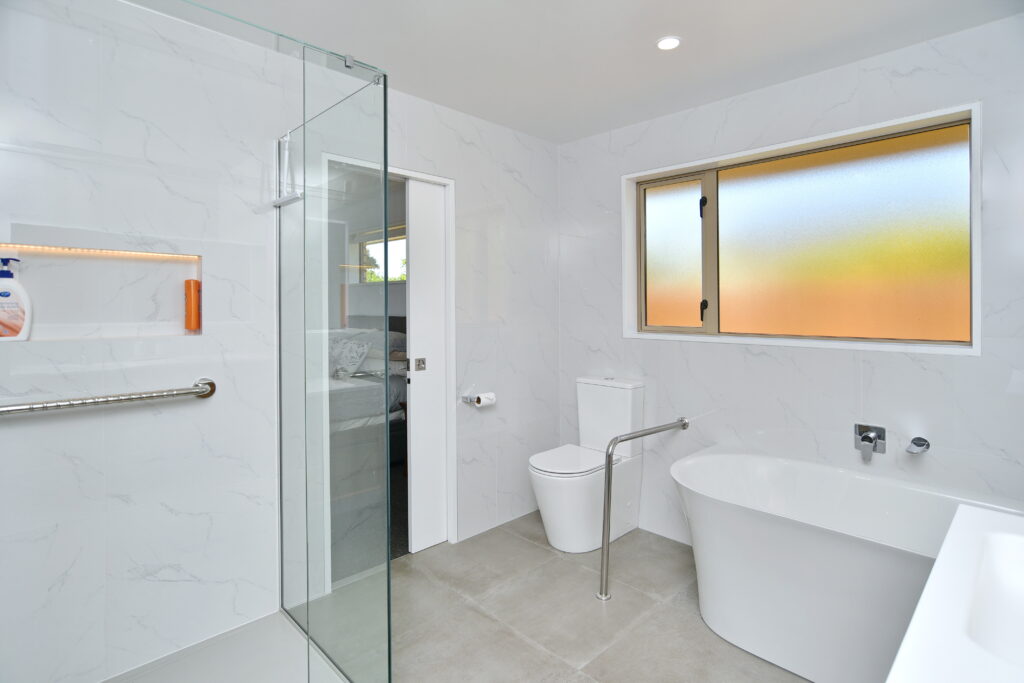
- Ensure you have accessible bathrooms and kitchens
- Walk in showers, wider doorways and hallways, minimising stair usage if possible – consider installing a chair lift for stairs if this is feasible and there is no room for bedrooms on the ground floor
- Replacing hinged doors with CA slider doors to increase accessibility and maximise space
- Relocating master bedroom and bathroom to the ground floor if currently upstairs
Comfortable & Accessible Spaces
- Open plan kitchen/living/dining for entertaining and relaxing
- Generous master suite with ensuite bathroom and walk-in wardrobe, easily accessible
Flexibility for Guests & Hobbies
- Changing spare bedroom/s into a home office, craft room, gym or studio space, while still making them available as guest bedrooms if needed
Energy Efficiency & Modern Comforts
- Installing double glazing, insulation, heat pumps, solar options to help reduce energy costs in future
- Good natural light and ventilation
Smart Technology
- Invest in smart home technology that future‑proofs your home with voice controlled devices, automated systems and security, including the ability to programme (set and forget) regular daily actions
Location, Lifestyle & Security
- Close to shops, cafes, healthcare and public transport
- Quiet, safe neighbourhood with like-minded neighbours
- Lock-and-leave potential for travel and peace of mind
Build Right: Taking The Next Step
If you are an empty nester and planning ahead for the ways you could optimise your existing home, Build Right can advise on the most effective way to ensure your home is well prepared for the changes ahead – while you still have the income to invest in renovations.
Our design team will walk you through everything and ensuring you are 100% comfortable before any work begins, while Sam as your project manager will ensure the whole job goes smoothly and with as little disruption as possible.
Want to Future-Proof Your Home?
Let’s chat about how we can help create a home that works for the next chapter of your life.
Explore Build Right’s Portfolio
Schedule Your Consultation: 03 323 5771
Look out for our next “Empty Nesters” blog where we will dig deeper into some of the specifics around how to focus on to prepare your home for the long haul.